
Booking sites flatten London into a single word, and that word costs travellers money and mornings. Heathrow, Gatwick, Stansted and Luton are not four doors to one place — they are four different machines, up to seventy kilometres apart, each optimised for a different kind of trip. The fastest way to choose is not to compare airports. It is to recognise which traveller you are.
The four, by the CAA’s 2025 count
You are connecting, or flying long-haul: Heathrow
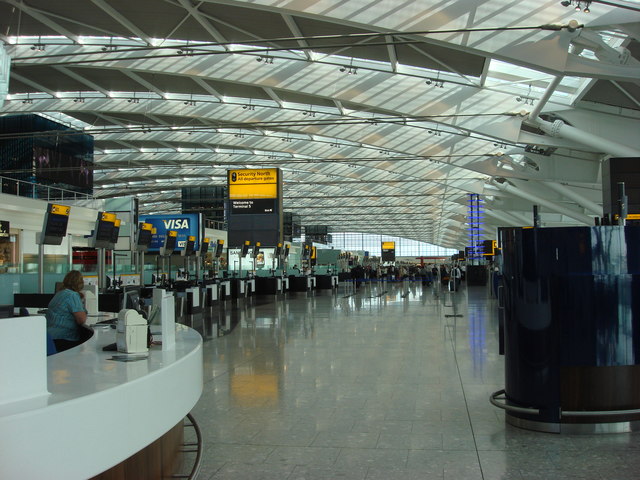
Heathrow is Britain’s intercontinental machine — nearly twice the traffic of any other UK airport — and the only London option built around changing planes. The mechanics matter: four terminals in three station groups, and the trains BETWEEN them are free. Tap a contactless card or collect a zero-fare transfer ticket from the platform machines, and Heathrow Express or the Elizabeth line carries you across the airport for nothing. Connecting airside, you follow the purple Flight Connections signage to a free shuttle instead.
The catch is the sheer spread. Your airline decides your terminal — the official finder puts British Airways and Iberia in T5, Virgin Atlantic and most American carriers in T3, Qatar and KLM in T4, Lufthansa and United in T2 — and only BA splits across two. Check before you set off; a terminal correction at the M25 costs half an hour.
You want the simplest arrival in London: Gatwick
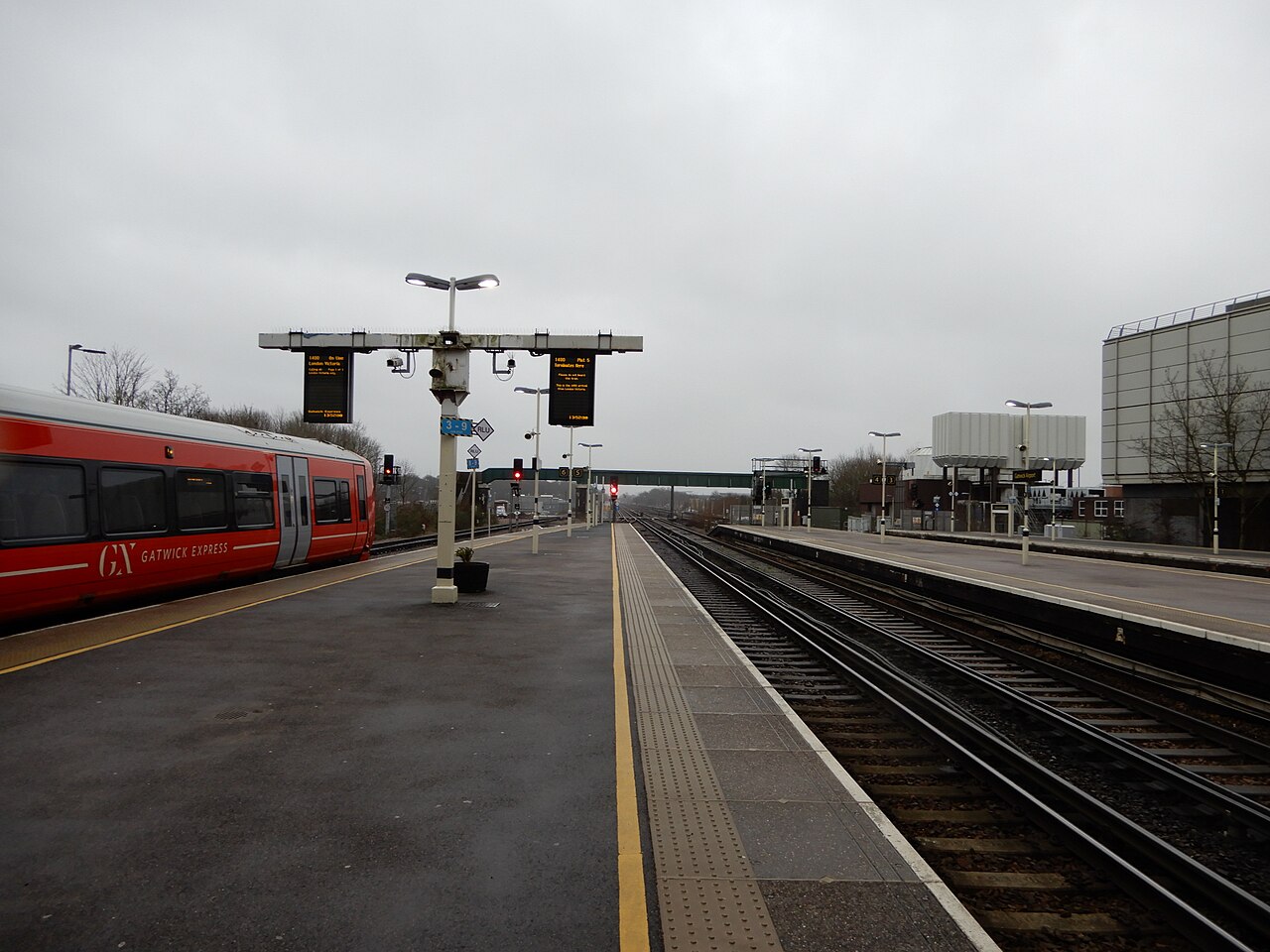
Gatwick’s superpower is the thing it does not make you do. There is no people-mover to figure out, no bus into town to research: the railway station is built into the South Terminal, about five minutes from departures, and trains run into the city and along the south coast directly from under the building. If you land in the North Terminal, a free driverless shuttle crosses to South in two minutes, around the clock.
You are chasing the lowest fare: Stansted
Stansted is the country’s low-cost engine — Ryanair’s home turf, with easyJet and Jet2 alongside — and it rewards travellers who understand its one structural quirk: check-in and security live in the main building, but boarding happens in satellite buildings out on the airfield, reached by an automated transit. From Gates 1-19 that ride is one-way; the airport itself warns there is no returning to the shops. Buy the water before you board the train.
Getting to town is genuinely good: the station sits directly beneath the terminal and the Stansted Express reaches Liverpool Street in 48 minutes, every 15 minutes. One London-specific trap — contactless bank cards work on the Express, but Oyster cards are not valid to or from the airport at all.
You value speed and you plan ahead: Luton
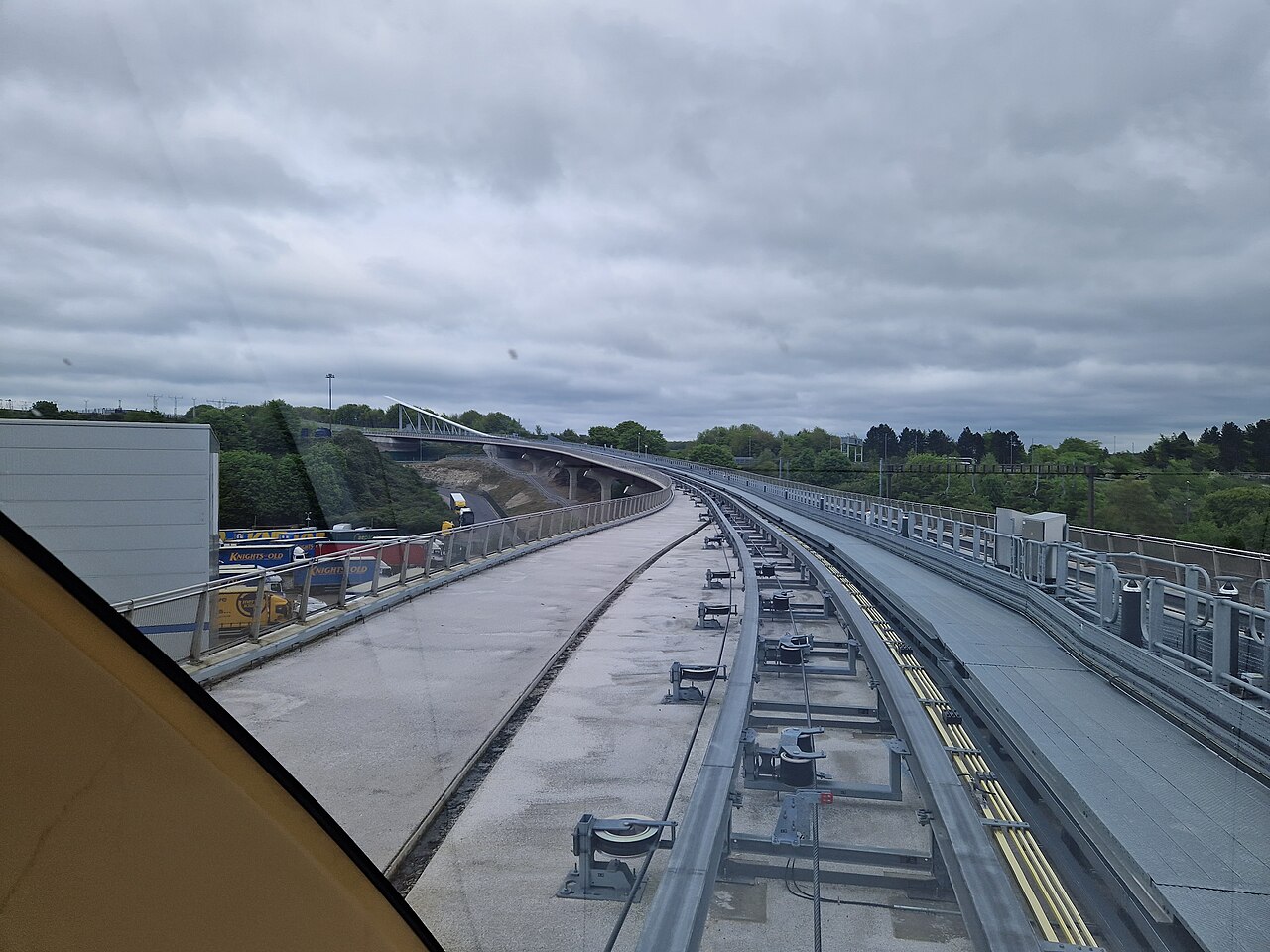
Luton punishes improvisation and rewards preparation more than any airport in Britain. Prepared, it is quick: the DART people-mover covers the 2.3 km from Luton Airport Parkway station in under four minutes, through trains booked to “Luton Airport” include it, and a free Prebook Security slot — reservable up to four days ahead — walks you past the queue. Unprepared, you pay the DART separately (£4.90), discover the drop-off cap the hard way, and queue with everyone else.
The honest footnote
London City and Southend also serve the capital; we have not verified them yet, so they are not compared here. The passenger figures above are the Civil Aviation Authority’s own 2025 table, not an airport’s press release, and the rail and terminal details come from the operators themselves — all of it read on 4 August 2026. Choose the machine that matches your trip, and London gets noticeably smaller.